

Matching Lifting Style to Physiology
Leverage, joint tolerance, and force production—when the lift locks in.
This isn’t just about powerlifting—or sumo vs. conventional deadlifts.
This is about YOUR physiology… and how it dictates the way you could most effectively train.
Most people follow methods.
Few match the method to themselves.
That’s where effort turns into results.
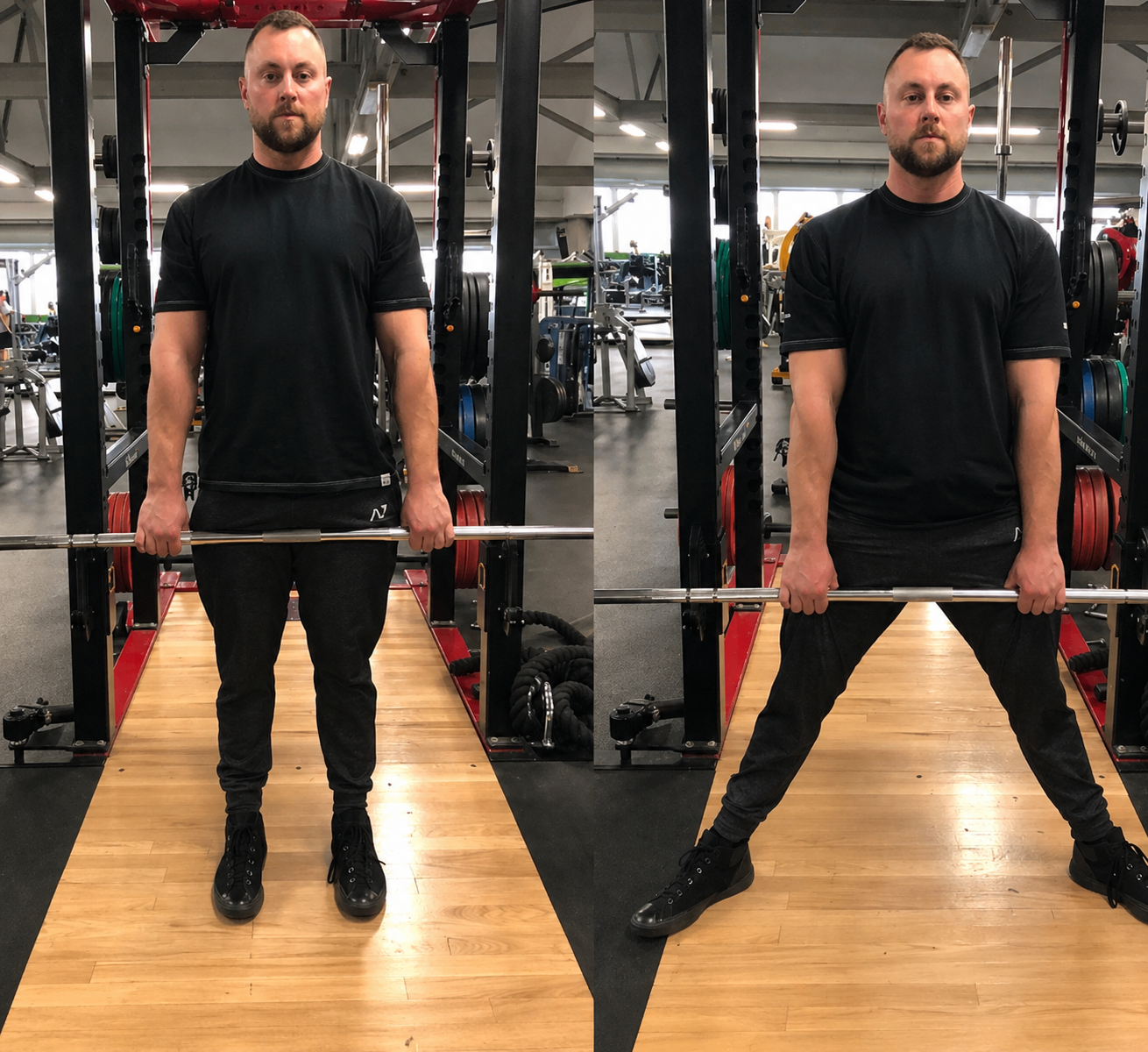
Matching lifting style to physiology isn’t preference—it’s leverage, joint tolerance, and force production efficiency. When you align those correctly, the lift “locks in.” When you don’t, it always feels like a grind no matter how strong you are.
Let’s break this down in a way you can apply immediately.
DEADLIFT — SUMO vs CONVENTIONAL
Conventional Deadlift
Best suited for:
- Longer arms (reduces range of motion)
- Shorter torso / longer legs
- Strong spinal erectors and posterior chain dominance
- Limited hip external rotation mobility
Why it works:
- More forward torso lean → loads the posterior chain
- Simpler setup → fewer moving parts
- Better for people who naturally hinge well (hip-dominant movers)
Red flags it’s NOT for you:
- Lower back always fatigues first
- Bar drifts forward off the floor
- You struggle to break the floor but lockout is easy
Sumo Deadlift
Best suited for:
- Shorter arms / longer torso
- Good hip external rotation (open hips)
- Strong adductors and glutes
- Athletes who stay more upright naturally
Why it works:
- Reduces range of motion
- Keeps torso more vertical → less shear on lower back
- Shifts emphasis to hips, glutes, and inner thigh
Red flags it’s NOT for you:
- Hips shoot up immediately
- Knees cave or can’t push out
- You feel “jammed” at the bottom
Sumo: Shorter arms / open hips | Hip- and adductor-driven | Vertical torso
QUICK SELF-ASSESSMENT — STRUCTURE → RHYTHM → TIMING
Run yourself through three lenses. If two of three point the same direction, that’s your bias.
STRUCTURE (Build)
- Long arms → Conventional bias
- Mobile hips → Sumo bias
RHYTHM (Movement Pattern)
- Natural hinge → Conventional
- Natural squat / vertical torso → Sumo
TIMING (Force Sequencing)
- Back fires first → Conventional dominant
- Hips / glutes fire first → Sumo dominant
BEYOND DEADLIFTS — SAME PRINCIPLE APPLIES
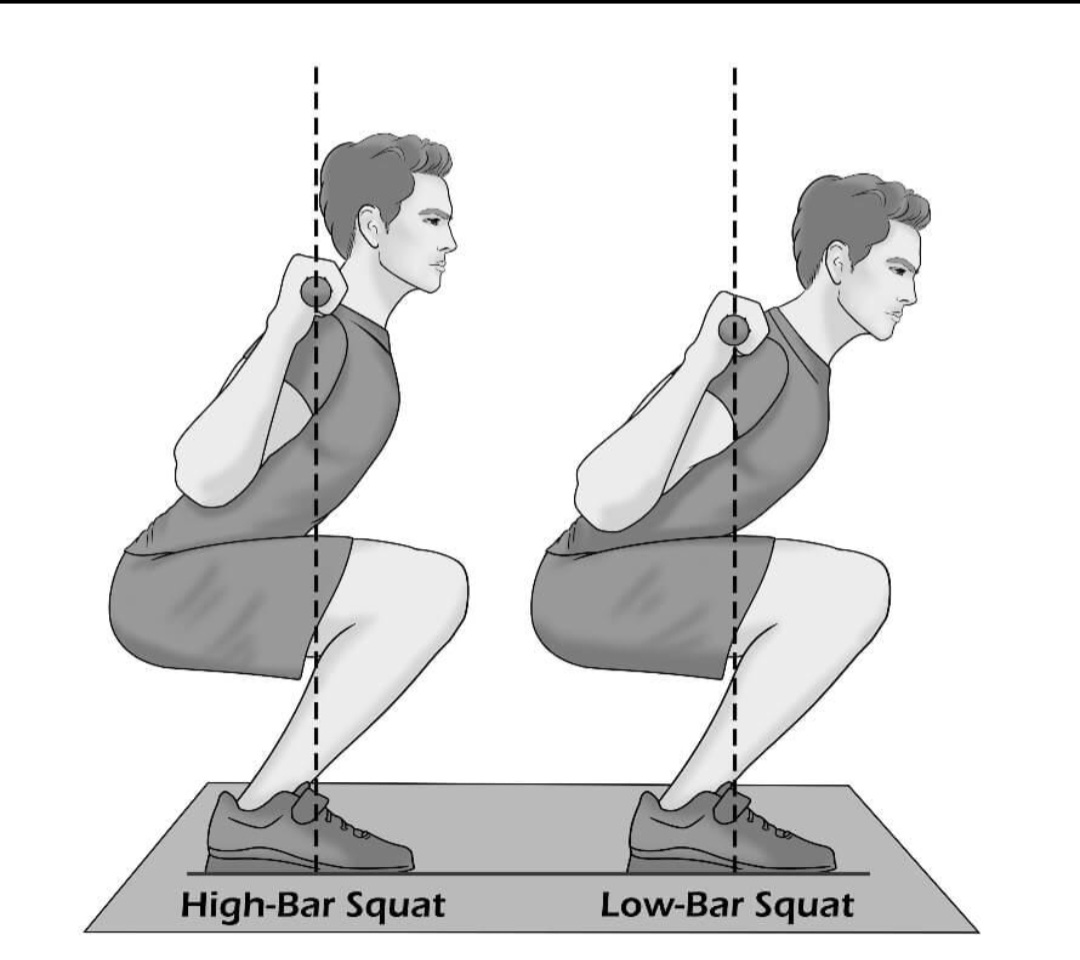
Squat: High Bar vs Low Bar
High Bar (Olympic style):
- Longer femurs, good ankle mobility
- Quad dominant
- Upright torso
Low Bar:
- Shorter femurs or limited ankle mobility
- Posterior chain dominant
- More forward lean, hips back
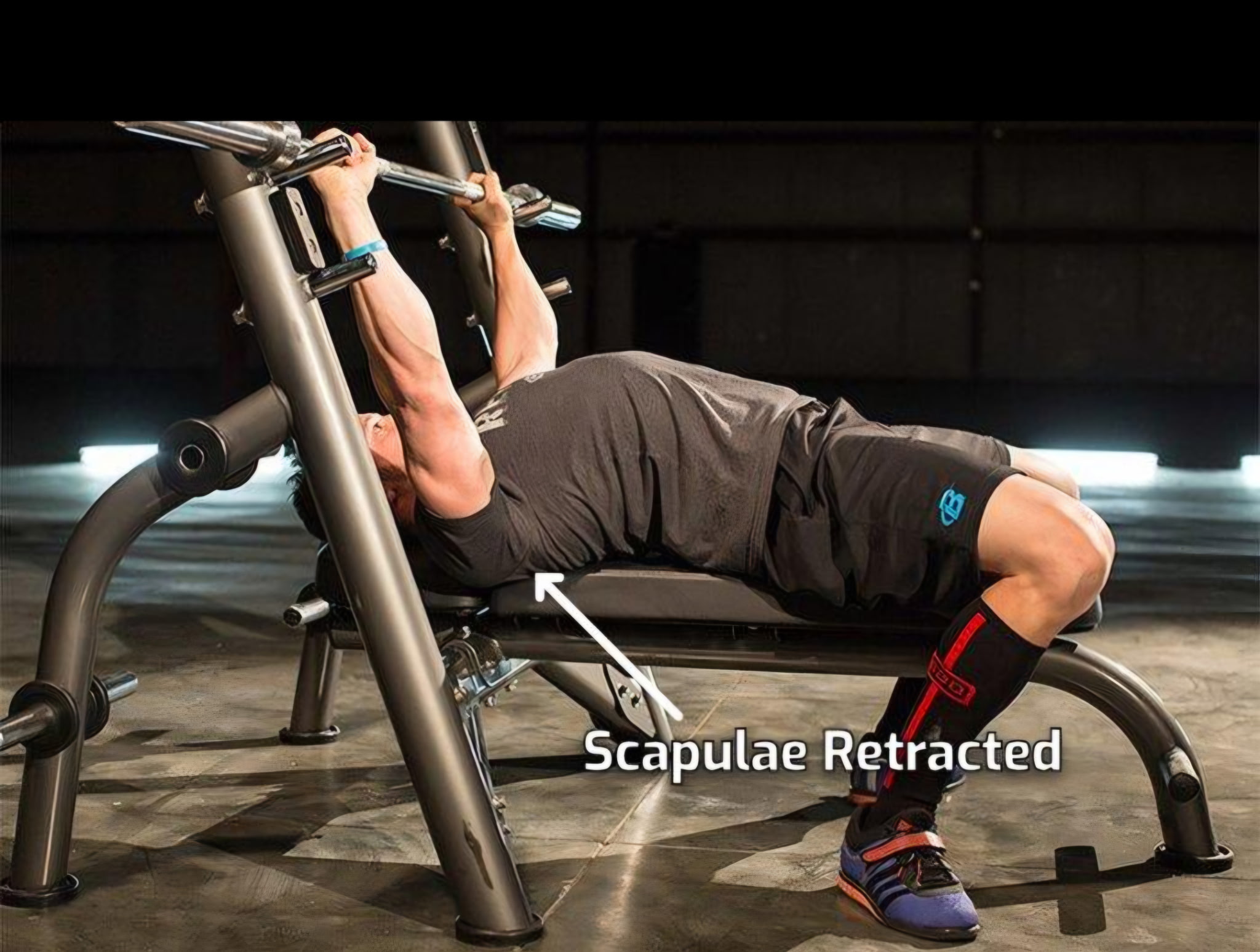
Bench Press: Grip & Arch Variations
Wider Grip / Bigger Arch:
- Shortens ROM
- Better for larger ribcage, good shoulder tolerance
Closer Grip:
- More triceps
- Better for shoulder longevity and longer arms
THE REAL TAKEAWAY
This isn’t about picking a style. It’s about removing friction from the system. When the lift matches your structure, you stop fighting the bar and start working with it.
• Energy leaks disappear
• Fatigue distributes correctly
• Output increases without forcing it
PRACTICAL APPLICATION
Run this like a diagnostic, not a guess.
- Pull both styles at ~70% for triples.
- Film from the side and the front.
- Look for: bar path efficiency, where breakdown occurs, and which feels “repeatable.”
Then ask one question:
“Which one feels like I could do for volume without fighting it?”
That’s your answer.
“Style isn’t preference—it’s leverage, joint tolerance, and force production efficiency.”
“The right lift doesn’t feel hard. It feels honest.”
blackironbarbell.com